
Assess the site
Understand the kitchen, its cooking demand, access and existing infrastructure.
From institutional kitchens to productive power and restored landscapes, our solutions connect technology with everyday needs in Uganda and Kenya.
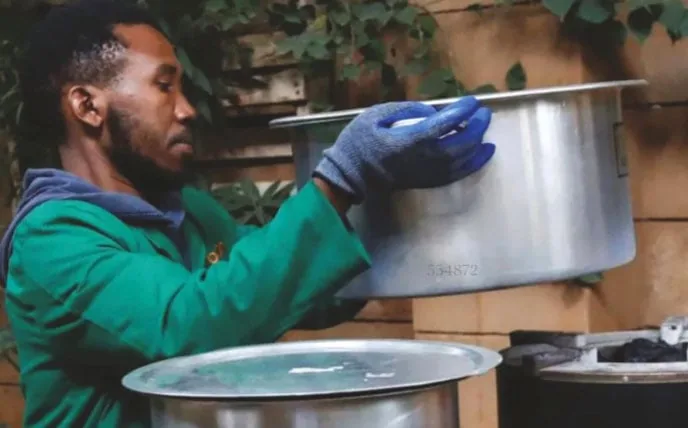
For a school, a cooking transition is a systems decision. A dependable LPG setup needs the right equipment, trained people, delivery planning and a serious approach to safety.
Volcano works with institutions and partners to make that change manageable. Our Ministry of Education MOU in Uganda describes a pathway to roughly 1,500 schools; this is the scope of a signed agreement, not a claim that those schools have already converted.
Cooking imagery from the Volcano Energies company profile.Moving from biomass to LPG takes more than a new fuel. We consider the site, equipment, people and ongoing supply as connected parts of the same decision.
Understand the kitchen, its cooking demand, access and existing infrastructure.
Specify equipment and supply arrangements for the institution’s needs.
Prepare kitchen teams to use and maintain equipment safely.
Keep an eye on supply continuity, service and evidence of impact.
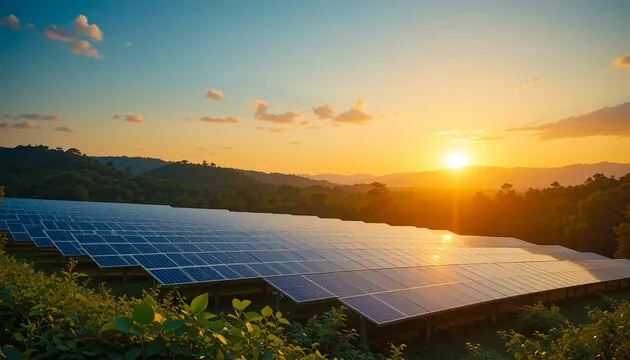 Illustrative solar imagery from the Volcano Energies company profile; not a photograph of the named installation.
Solar power makes industrial energy more resilient and lowers exposure to grid costs and interruptions. Volcano reports a 3.5 MW installation at Gentex Factory in Matuga, meeting about half of the facility’s demand.
We frame each project around its actual operating context — not generic promises about savings or independence.
Plant a Tree Legacy connects schools and communities to restoration. Medicinal, soil-restoration and climate-resilient species lead the approach; annual planting goals are being reconciled before publication.
Avoided emissions matter, but modelled estimates are not verified credits. We distinguish prospective impact from independently verified outcomes as the measurement programme develops.
Assess cooking demand, equipment suitability, ventilation, cylinder storage, trained operators and reliable supply. The right setup should be planned for the specific site by qualified professionals.
Keep cylinders upright in a well-ventilated location, away from heat and ignition sources. Follow applicable local requirements and your supplier’s instructions; do not improvise installations.
Do not use flames or operate electrical switches. If safe, close the cylinder valve, ventilate the area and move people away. Contact your supplier or local emergency services from a safe location.
Yes. Send the location, kitchen size and current cooking setup through the contact page so the team can discuss next steps.